Skip to content

Why You Should Visit Mount Cameroon National Park

A “Galapagos” in the Clouds

Because the mountain is an active volcano isolated from other highlands, its evolution mirrors that of an island. For nature lovers, it offers a rare chance to see “speciation” in action—where plants and animals have adapted specifically to the volcanic soil and high-altitude mists.


Breathtaking Altitudinal Variety

In a single day of hiking, you can pass through four distinct worlds:
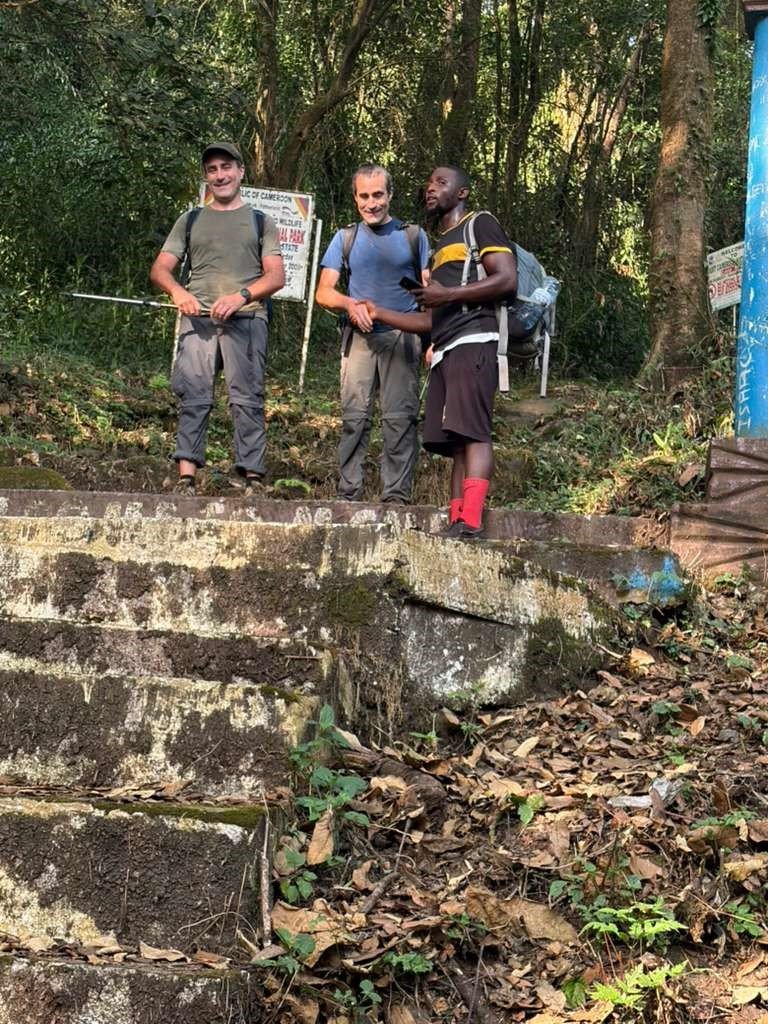
  1. Lowland Rainforest: Giant mahogany trees and lianas.
  2. Montane Forest: Moss-covered “cloud forests” that feel like a fairytale.
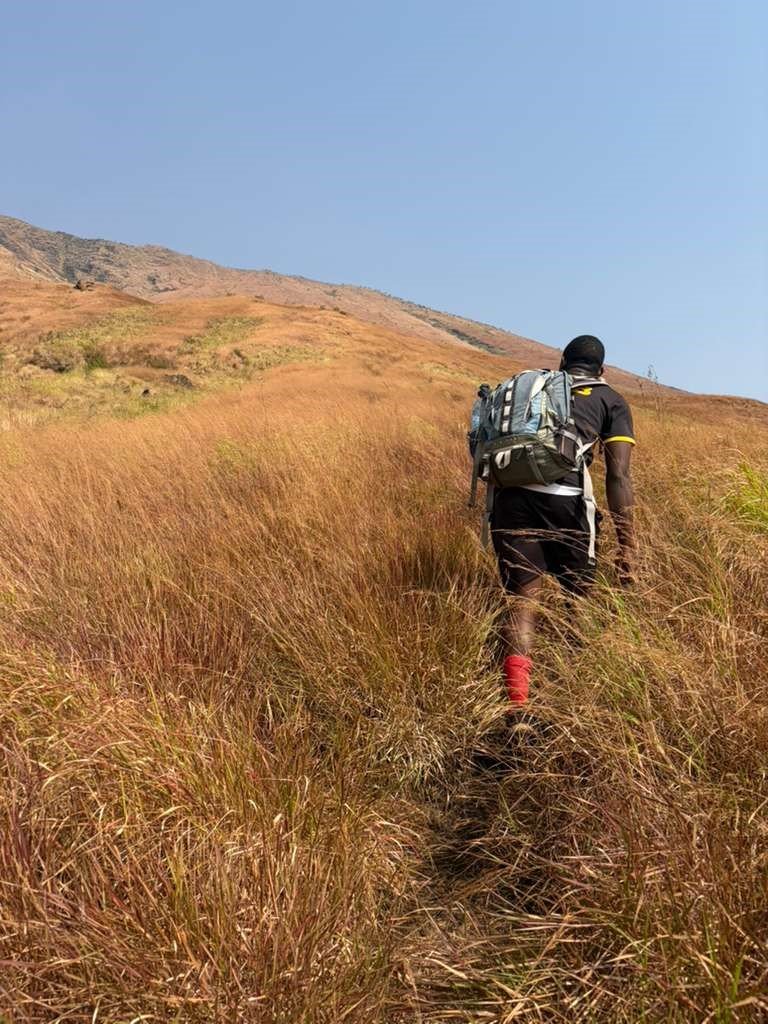
  3. Highland Savannah: Vast, rolling grasslands created by ancient lava flows.
  4. Sub-alpine Cinder: A lunar landscape near the summit with volcanic craters.

Culture and Adventure

  • The “Race of Hope”: Every year, elite runners tackle the mountain in one of the world’s most grueling footraces. You can hike the same “Guinness Track” at your own pace.
  • Eco-Tourism: Staying in the mountain’s eco-lodges supports the local Bakweri communities. Your guides are often former hunters who have transitioned into conservation, sharing stories of the “Mountain God” (Epasa Moto) as you climb.

Six things that make Mount Cameroon National Park Special


As we move into 2026, Mount Cameroon National Park—often called the “Chariot of the Gods”—continues to evolve as a premier destination for eco-tourism and adventure. Whether you are a high-altitude trekker or a nature lover looking for rare wildlife, here are the six most important things to see and experience in the park:

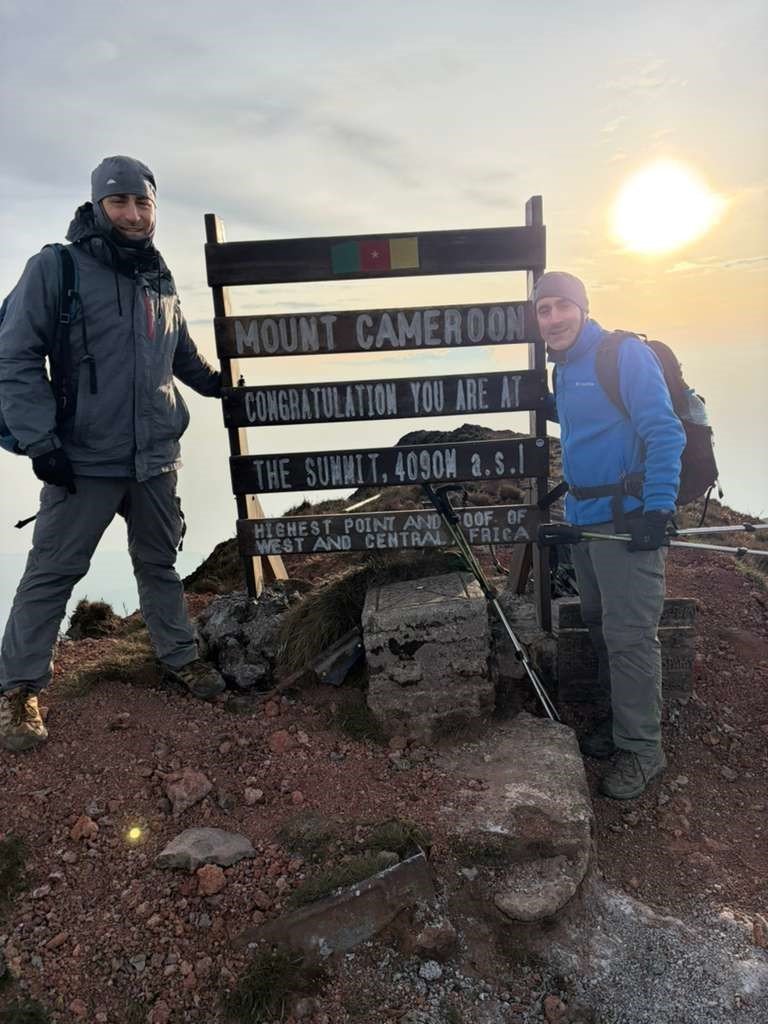
  1. The Summit (Fako) at 4,040 Meters

Reaching the highest peak in West and Central Africa remains the ultimate goal for most visitors. From the summit, you are literally standing above the clouds with panoramic views that, on clear days, stretch across the Atlantic Ocean to the island of Bioko in Equatorial Guinea. In 2026, improved eco-lodges like the Fako Mountain Lodge (at 2,850m) offer better staging points for the final ascent.

  1. Recent Lava Flows (1999 & 2000 Eruptions)

Mount Cameroon is the only active volcano in the Cameroon Volcanic Line. A hike through the park allows you to walk across the stark, moon-like landscapes of the 1999 and 2000 lava flows. These sites are fascinating geological “time capsules” where you can see how primary succession begins, with mosses and small ferns slowly reclaiming the jagged black basalt rock.

  1. The “Mist Forests” (Montane Cloud Forests)

Between 800 and 1,600 meters, the park hosts rare submontane and montane cloud forests. These areas are perpetually draped in mist and are incredibly rich in epiphytes, including orchids and ancient ferns. It is a hauntingly beautiful, quiet environment that stands in sharp contrast to the tropical heat of the Buea lowlands.

  1. Endemic Wildlife: The “Big & Small”

The park is a biodiversity hotspot with species you cannot find anywhere else:

  • The Mount Cameroon Francolin: A rare bird endemic specifically to the mountain’s slopes.
  • Forest Elephants: A small but vital population of African forest elephants inhabits the lower rainforest zones.
  • Primate Sightings: Keep an eye out for the Preuss’s Monkey and the endangered Drill, which are frequently spotted in the denser submontane canopy.
  1. Mann’s Spring & The Alpine Transition

Located at approximately 2,300 meters, Mann’s Spring is a unique ecological transition zone where the dense forest suddenly gives way to open montane grasslands and savanna. The area is famous for its “elephant viewpoints” and the Mann’s Spring Lodge, which offers some of the best stargazing opportunities in the park due to the lack of light pollution at that altitude.

  1. The Annual Race of Hope (February)

If your visit falls in February, the Mount Cameroon Race of Hope is an essential cultural and sporting event. It is one of Africa’s most grueling mountain races, where international athletes and local Bakweri runners sprint from the town of Buea to the summit and back. Even if you aren’t running, the atmosphere in the park and the surrounding town is electric with traditional music and celebrations.

Professionalization and Employment

The creation of the park in 2009 moved the guiding and porter industry from an informal “trekker-to-local” arrangement to a regulated system.

  • Mandatory Local Hiring: It is now illegal to enter the park without a registered local guide. This policy ensures that tourism revenue stays within the community rather than going to outside operators.
  • Skill Development: Local organizations (like the Mount Cameroon Ecotourism Organization and HADY Guides) provide formal training in:
    • First Aid and Safety: Essential for the high-altitude volcanic terrain.
    • Environmental Education: Guides and porters are trained as conservation “ambassadors,” teaching visitors about endemic species like the Mount Cameroon Francolin, and others
    • Language and Hospitality: Improving the quality of service to attract higher-paying international tourists.
Economic Empowerment

The park acts as a primary “foreign exchange” engine for the Fako Division, though the benefits are often seasonal.

  • Competitive Wages: HADY  pride themselves on paying “extremely competitive” daily rates, which many porters  and Guides use to fund their own university educations at the University of Buea.
  • Direct Revenue: Studies have shown that ecotourism contributes over 47 million CFA Francs (~72,000 Euro) annually in direct benefits to the local economy.
  • The “Conservation Bonus”: Communities that perform well in co-management (reducing illegal poaching or farming within park boundaries) receive financial bonuses used for village infrastructure, such as clean water projects or solar lighting.


Challenges and "The Transition Gap"

Despite the empowerment, the shift from traditional forest use to tourism isn’t always seamless:

  • Seasonality: Tourism peaks during the dry season (November–March). During the rainy season, guides and porters often lack a steady income, forcing them back into subsistence farming or other trades.
  • Loss of Traditional Income: Research indicates that while overall welfare has improved in terms of governance and information, some households have seen a slight decrease in average monthly income because they can no longer hunt or harvest certain forest products freely.

Encroachment Pressures: As of 2026, there is ongoing tension regarding agricultural encroachment. Some local farmers have moved into park boundaries due to population pressure, creating a conflict between the need for farmland and the park’s conservation goals

Pro-Tips for 2026 and Above in Mount Cameroon National Park
  • The “Wettest Place”: If you have time, visit the nearby village of Debundscha at the foot of the mountain; it is the second wettest place on Earth, receiving over 10,000mm of rain annually.
  • Eco-Tourism Permits: Remember that you are legally required to enter the park with a certified guide and a permit, which helps fund the conservation of this fragile ecosystem.